Is Cottage Cheese Good for You?
What you need to know about calories, protein, sodium, and more, plus the best-tasting cottage cheese from CR’s tests


Everything old is new again—and cottage cheese is a popular food once more. The diet darling of the ’70s and ’80s fell out of favor for years until social media rebranded it as a power protein source. You see it in the dairy case in single-serving cups, in new flavors, and with labels promoting ingredients like live active cultures and protein.
Why the renewed interest? Cottage cheese checks many (if not all) of the boxes for nutrition, affordability, and other good things. What’s more, it’s incredibly versatile and can be used in sweet and savory ways. So if you haven’t spooned up some cottage cheese in a while, it might be worth a second look.
What Is Cottage Cheese?
Cottage cheese is a fresh cheese; it’s not aged or ripened the way hard cheeses like cheddar or Parmesan are. To make it, an acid or acid-producing culture is added to milk (usually nonfat), which begins the process of separating the liquid whey protein from the milk solids, or curds. The curds are washed, then cream and salt are added.
Calories, Protein, and Fat
Cottage cheese is a high-volume, low-calorie food that’s also rich in protein, containing around 13 to 14 grams per half-cup. The protein in cottage cheese makes it filling, so it may help in weight loss. For example, a small study published in 2015 in the journal Appetite found that cottage cheese suppressed hunger as much as eggs, which are considered one of the most satiating foods.
Cottage cheese comes in full-fat (4 percent milk fat), low-fat (2 percent), and nonfat varieties. Compared with full-fat cottage cheese, lower-fat options save you a few calories, which may be beneficial if you’re looking to lose weight. It can vary by brand, but the difference between nonfat and full-fat cottage cheese is about 30 calories per half-cup; low-fat options have about 20 fewer calories than full-fat.
The savings in saturated fat are also small. Full-fat cottage cheese has around 3 grams of saturated fat per half-cup, while 2 percent cottage cheese has around 1.5 grams. Although keeping overall saturated fat intake low is beneficial for health, some research suggests that full-fat dairy products might not raise the risk of heart disease, possibly because of the nutrients or the type of saturated fat they contain.
A half-cup of cottage cheese also packs 14 percent of the daily value for phosphorus, which your body uses to process energy; nearly a third of your body’s need for vitamin B12, a nutrient that helps keep nerves and blood cells healthy; and about 8 percent of your daily calcium requirement.
Watch for Sodium, Additives, and Sugar
Sodium is cottage cheese’s one nutritional negative. Salt is added as a preservative because cottage cheese is high in moisture. Some brands have more than 400 mg of sodium per half-cup. (The daily sodium recommendation is less than 2,300 mg.)
Ideally, cottage cheese should contain just milk, cream, salt, and sometimes the same live and active cultures you find in yogurt. But some brands also contain thickeners and stabilizers, such as locust bean gum, guar gum, and carrageenan. Fruit-flavored cottage cheese can contain added sugars and is higher in calories than the plain varieties. "You’re usually better off buying plain cottage cheese and adding your own fresh or dried fruit," says Amy Keating, RD, a nutritionist at Consumer Reports.
The Best Cottage Cheese in CR's Tests
We tested plain low-fat (2 percent) and full-fat (4 percent) cottage cheese from seven brands. The results of our taste test of the brands’ 2 percent versions are listed below.
We were pleasantly surprised at how tasty the low-fat options are, so although the savings in calories and saturated fat are small, we suggest trying those first. Then, if you want a creamier, richer experience, try the 4 percent versions of any of our favorite four brands.
As for the ingredients: Some brands contain just milk, cream, and salt, and a few have live active cultures. Others, while tasty, contain thickeners and gums that make them more processed. Our taste-test results prioritize products with minimal or no additives.
Nutrition information and prices are for a half-cup serving.
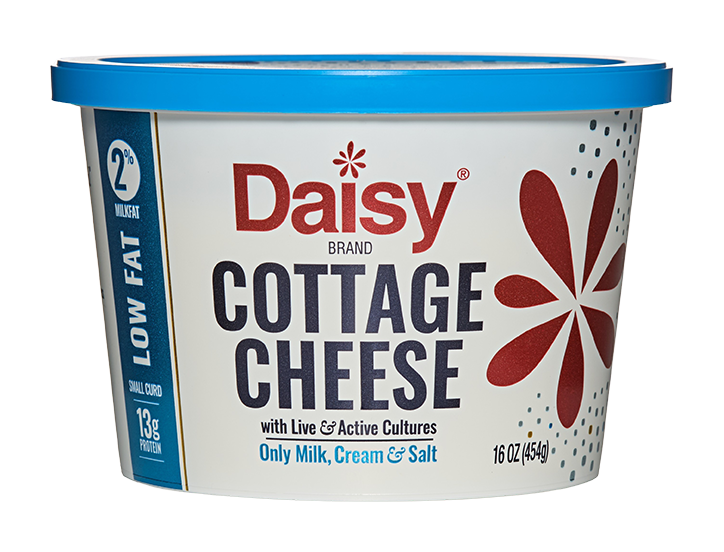
Daisy Low Fat 2% Milkfat Small Curd
$1.13
Daisy's low-fat option is a good, savory choice. It has flavors of sour cream and salt, as well as a little natural milky sweetness. We also liked that the curd size is very uniform and the texture is a bit firmer than the other cottage cheese offerings we tested.
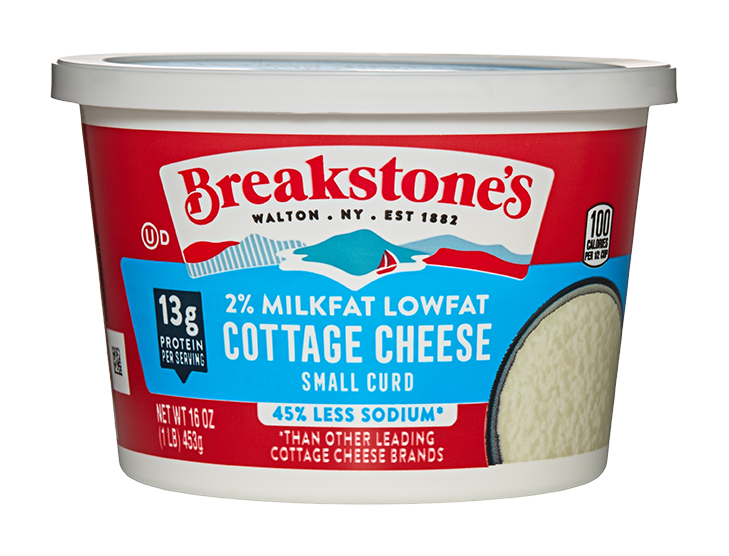
Breakstone's 2% Milkfat Lowfat Small Curd
$1.20
There's a reason Breakstone's is synonymous with cottage cheese. Both the low- and full-fat versions have a traditional creamy, buttery flavor and are moderately tangy. (But the full-fat version is a bit richer.) Contains tapioca starch as a thickener.
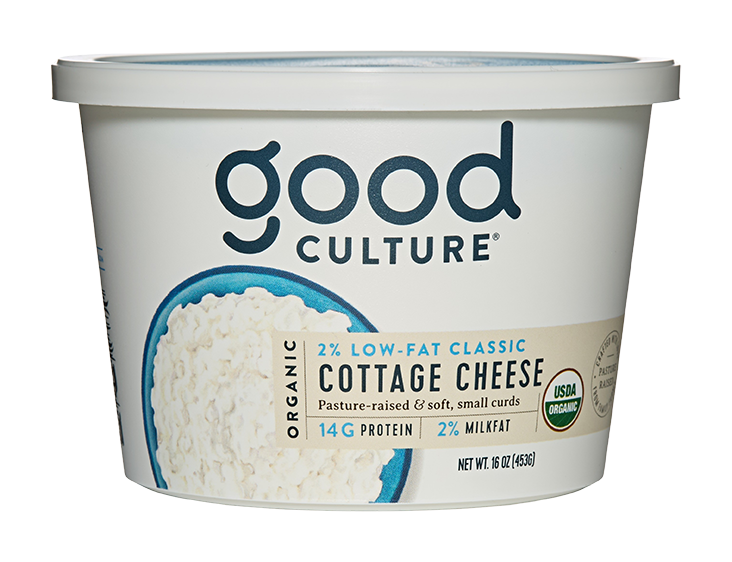
Good Culture Organic 2% Low-Fat Classic Small Curd
$1.58
A nice balance of salty and sweet, this has a sour cream-like flavor. It's thicker and denser than others we tested—more like ricotta cheese—making it a great toast topper. Contains live active cultures.
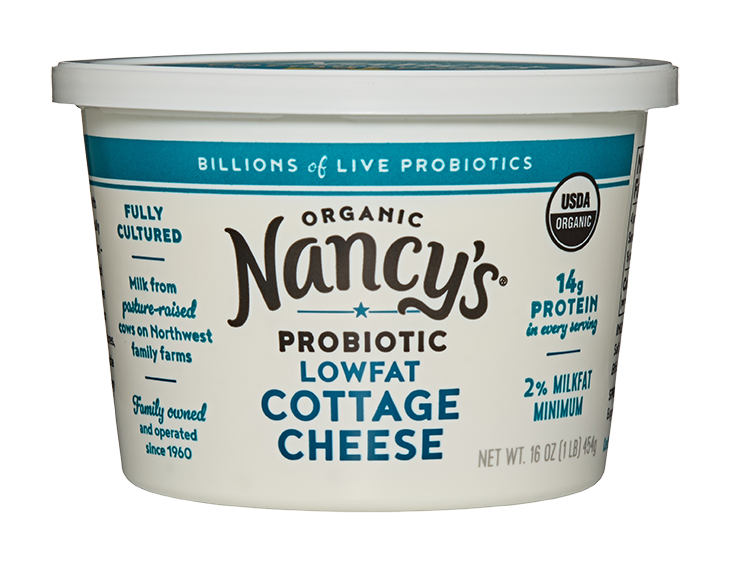
Nancy's Organic Probiotic Lowfat 2% Milkfat
$1.75
This thick cheese is made with live active cultures. That gives it a tart flavor, similar to what you'd find in Greek yogurt. The full-fat version is a tad milder tasting.
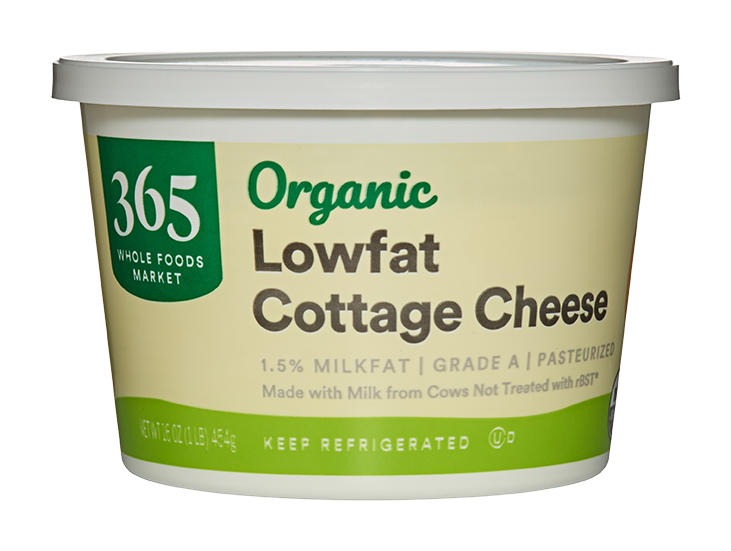
365 Whole Foods Market Organic Lowfat 1.5% Milkfat
$1.15
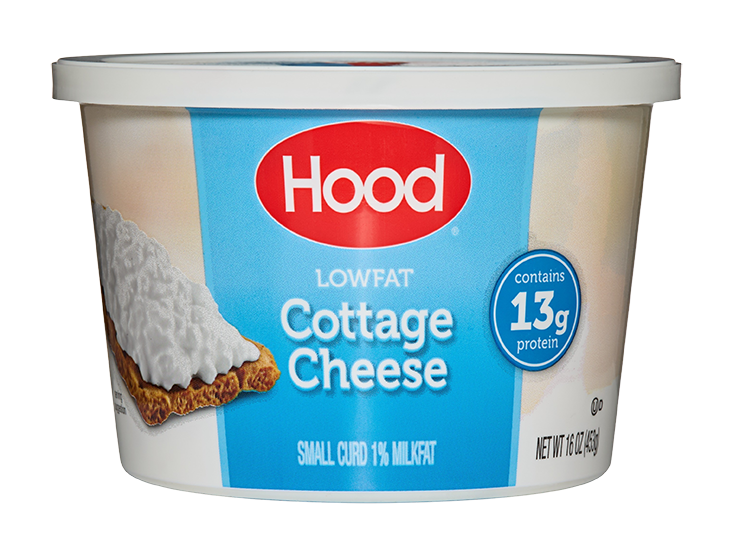
Hood Lowfat 1% Milkfat Small Curd
$1.08
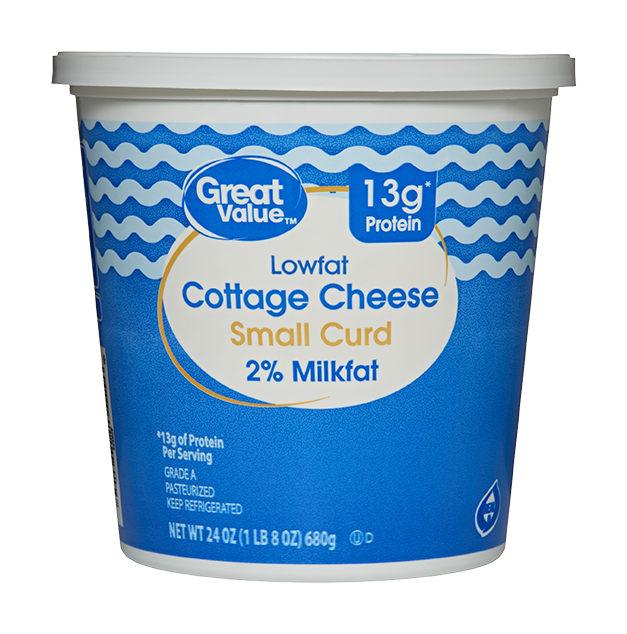
Great Value (Walmart) Lowfat 2% Milkfat Small Curd
48¢
How to Use Cottage Cheese
With its mild flavor, cottage cheese can be a chameleon in the kitchen. You can use it to give a protein boost to many dishes. Try these ideas:
• Add cottage cheese to smoothies.
• Whisk it into scrambled eggs as you cook them (it will give the eggs a fluffier texture).
• Combined it with chopped veggies (such as tomato, cucumber, and bell pepper) and oregano or with chopped walnuts, olives, and black pepper.
• Use it as a toast topper along with sweet or savory spices.
• Mix it into tomato sauce and use it on pasta.


