Does Your Kids' Vitamin Contain What It Says It Does?
CR tested 21 children’s vitamins from Flintstones, Hiya, Nature Made, SmartyPants, and others. Every single product had at least one nutrient amount that differed from the label.


Young children can bring home eight to 10 colds a year—and handing them a chewable vitamin to help support their immune system may seem like a no-brainer, especially as virus season sets in. Approximately one-third of kids under age 19 in the U.S. take a dietary supplement regularly, according to the Centers for Disease Control and Prevention, often to ward off colds or to help cover nutrient gaps (we probably don’t have to tell you that kids of all ages can sometimes be picky eaters).
Children’s vitamins tend to come in bright colors, cute shapes, and sweetened formulas, making them both eye-catching and palatable for little ones. But experts say most kids don’t need to take a regular multivitamin supplement. And the bottle you pick up off the shelf may not actually contain the amount of vitamins and minerals it says it does.
We reached out to all the companies whose products we tested. They told CR that they take rigorous steps to ensure the safety and quality of their products, especially those intended for children. While not all companies specifically commented on their testing, and some did not respond to our questions about testing, many shared that they do external and/or internal testing of their products (see below for full company responses).
Read on for more about what we tested for, what to know if your child currently takes a kids’ vitamin, plus expert advice and a personalized interactive tool to help you choose a safe supplement for your child.
Label Accuracy and Safety in Children’s Vitamins: What CR Tested For and Why
Previous CR investigations have found label inaccuracies in dietary supplements, most recently in prenatal vitamins. There’s limited published research on label accuracy for kids’ vitamins, but some studies suggest that kids taking a vitamin supplement may be at risk of overexposure to certain nutrients.
Overexposure can also happen if kids are consuming too much of a supplement—when kids eat vitamins like they’re candy. “That’s really easy to do with something that is formulated to taste really good,” says Whitney Casares, MD, MPH, FAAP, AAP spokesperson, a pediatrician practicing in Portland, Ore., and author of the book “Raising Body-Confident Kids” (Fair Winds Press, 2026). Sadly, this is all too common: The 2024 annual report from the National Poison Data System found that supplement overdose was the fifth most common cause of poisoning in kids 5 and under. This is why the potency and label accuracy of vitamins marketed for children really matter.
Who’s responsible for making sure the claims on a vitamin label are accurate? The Food and Drug Administration has oversight of dietary supplements, including those intended for children, but the safety, quality, and efficacy of each product are the responsibility of the manufacturer. The U.S. Pharmacopeia (USP) sets industry standards for dietary supplements, including a potency threshold that specifies the acceptable level of a nutrient in a product, based on its format (for example, a tablet or a gummy). The minimum potency threshold is typically 90 percent, but the upper end of the range varies based on the type of nutrient and the supplement form.
Concerns have also been raised around the presence of heavy metals in supplements, such as lead, mercury, cadmium, and the metalloid arsenic. Because the health effects of heavy metal exposure in early childhood can be serious, including irreversible brain and nervous system changes, we also looked for these contaminants in the kids’ vitamins in our tests.
Take Action
Join CR in calling on the FDA to strengthen oversight of all vitamins, establish meaningful standards, and hold manufacturers accountable for accurate label claims and safe nutrient levels.
How We Tested Kids’ Vitamins for Label Accuracy and Safety
Our testing, in detail:
- CR’s secret shoppers purchased one to three lots of each kids’ vitamin for our tests and sent them to an outside accredited laboratory for nutrient testing.
- Each product was analyzed for the same 12 vitamins and minerals, including vitamins A, C, D, and E, plus vitamins B1, B2, B3, B5, B6, and B9, as well as iodine and zinc. In a few limited cases, there was a nutrient form that we were unable to verify against label claims.
- The average of the tested amounts was compared with the amount listed on the Supplement Facts label for each product, and with the USP tolerance range for each nutrient.
- We then determined whether the tested amounts exceeded the tolerable upper intake level (UL) for that nutrient, if one exists. The UL is the total daily intake of a supplemented nutrient that’s unlikely to cause adverse health effects, and was determined by an international group of health research organizations and published by the Institute of Medicine. These are conservative levels, experts say, but taking amounts above the UL could cause harm over a long period of time, depending on the nutrient and the amount consumed.
- We also tested each product for heavy metal contamination, including arsenic, cadmium, lead, and mercury, and compared our results with evidence-based protective limits calculated specifically for the products’ intended age groups.
Inside the Labs: Kids' Vitamins Testing

Photos: Consumer Reports Photos: Consumer Reports
It’s important to note that Consumer Reports is not a compliance or regulatory body, and our testing is intended only to offer information for consumers to make informed decisions. No legal judgments can be made from our findings.
Our results are a snapshot in time, and manufacturers may update their formulations at any point. Any changes would affect the nutrient levels of the products we tested. That said, our testing highlights the variations between label claims and nutrient amounts across many products in this category, underscoring the need for greater oversight and transparency.
You can view our test methodology and full results (PDF). CR contacted all the manufacturers of the products we tested for comment on these results. See detailed company responses below.
CR’s Kids’ Vitamin Test Results
The supplements in our test results are grouped by format and listed alphabetically.
Kids’ Gummies
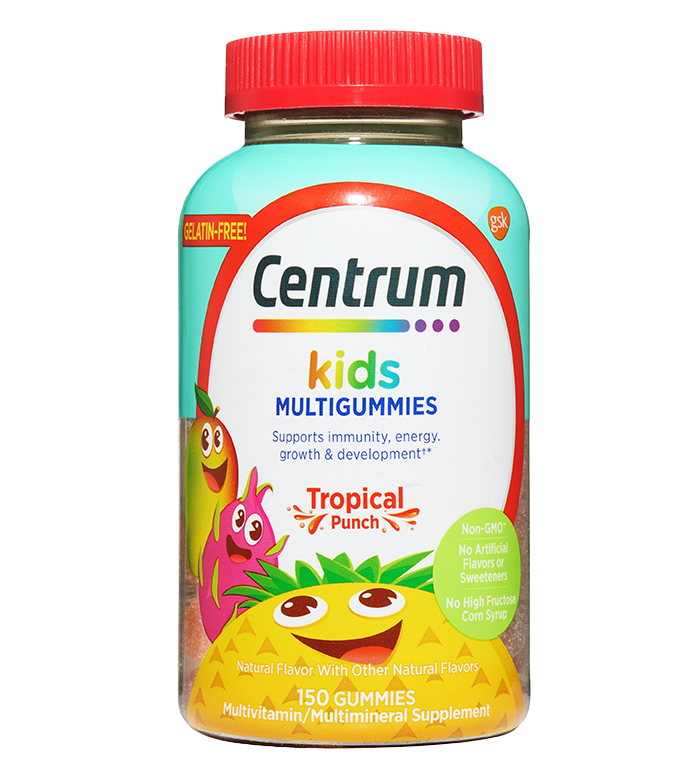
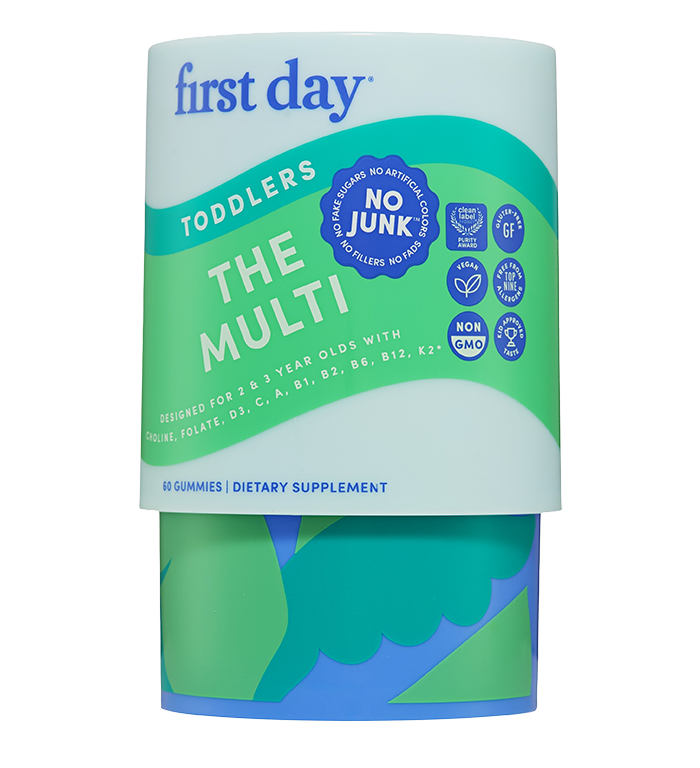
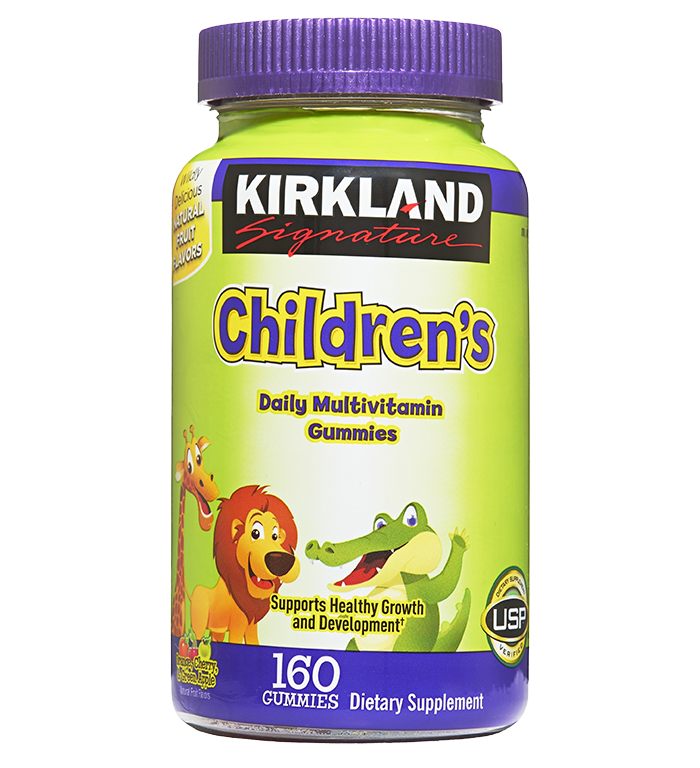
Kirkland Signature (Costco)* Children's Daily Multivitamin Gummies
- Ages 2–3: 1 gummy
- Ages 4–13: 2 gummies
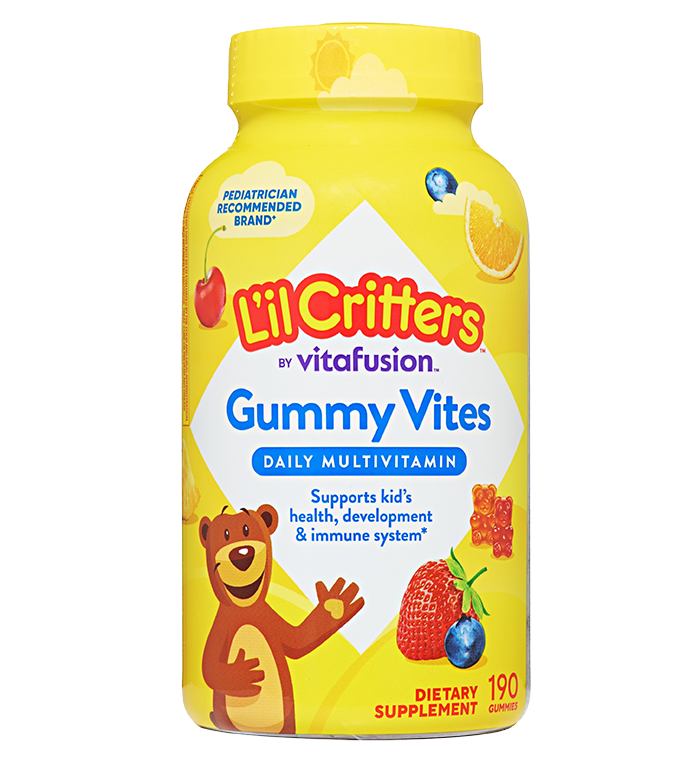
L'il Critters Gummy Vites Daily Multivitamin
- Ages 2–3: 1 gummy
- Ages 4–13: 2 gummies
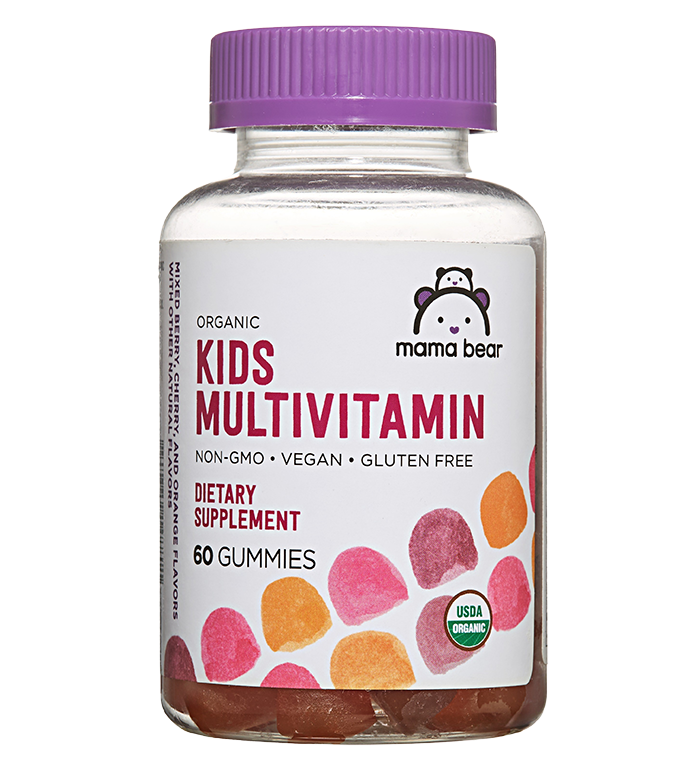
Mama Bear (Amazon) Organic Kids Multivitamin
- Ages 2–3: 1 gummy
- Ages 4–13: 2 gummies
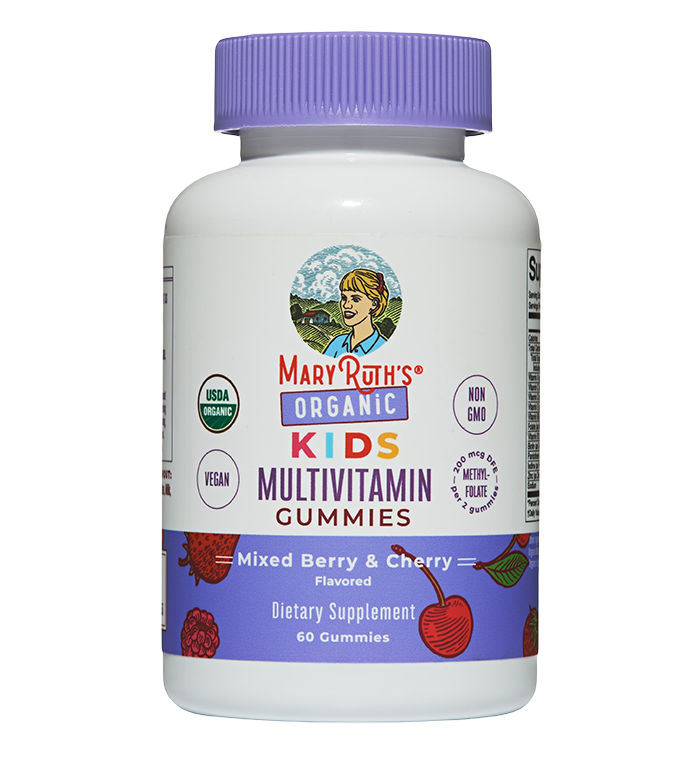
MaryRuth's Organic Kids Multivitamin
- Ages 4–13: 2 gummies
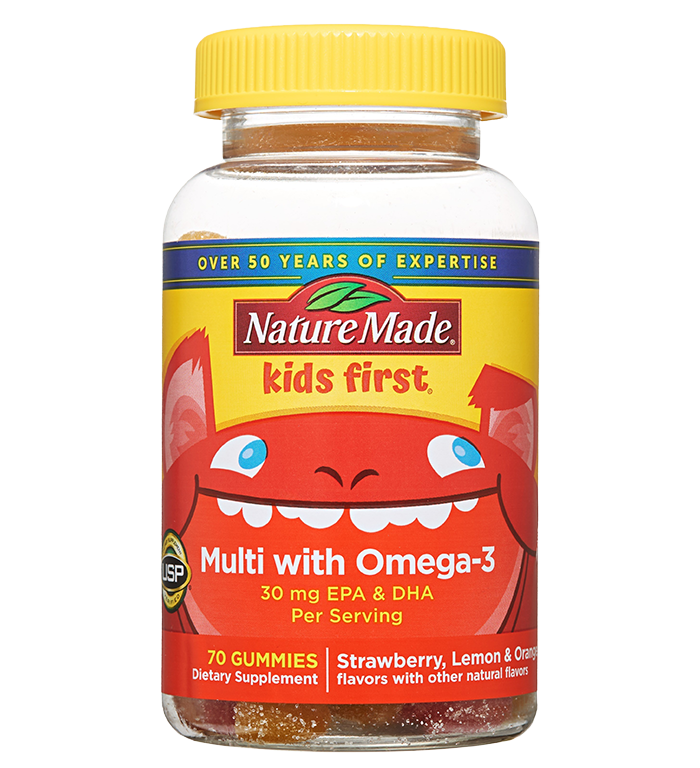
Nature Made* Kids First Multi With Omega-3
- Ages 4–13: 1 gummy
- Ages 14+: 2 gummies
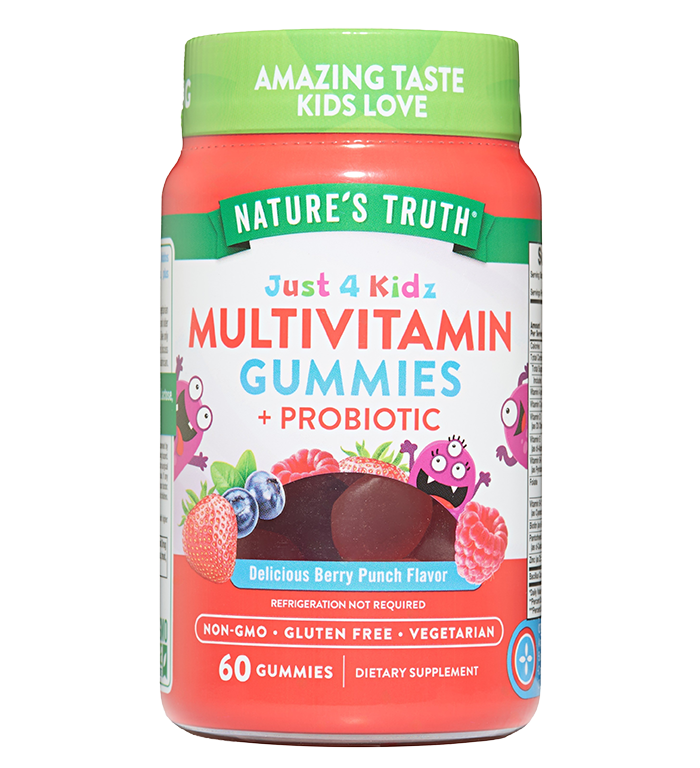
Nature's Truth Just 4 Kidz Multivitamin Gummies + Probiotic
- Ages 2–3: 1 gummy
- Ages 4–13: 2 gummies
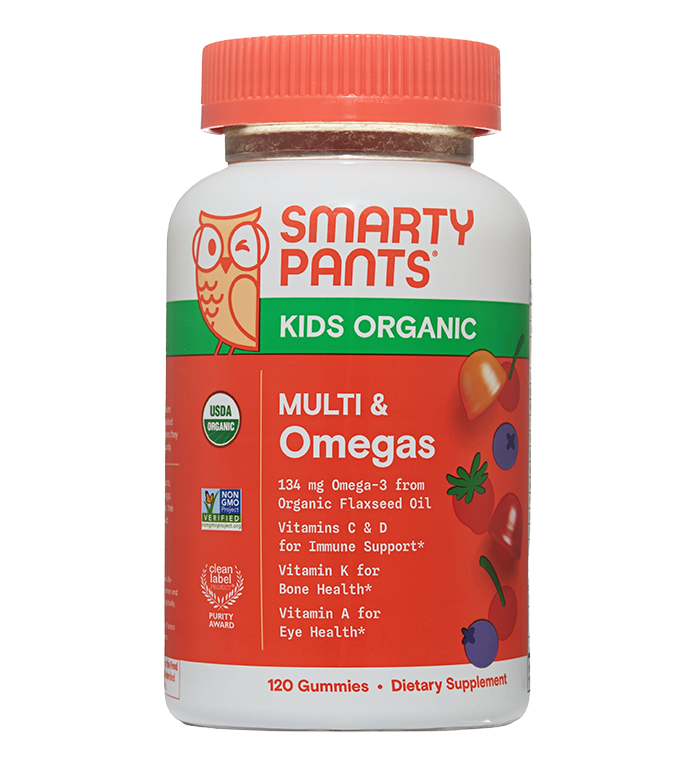
SmartyPants Vitamins* Kids Organic Multi & Omegas
- Ages 4–13: 4 gummies
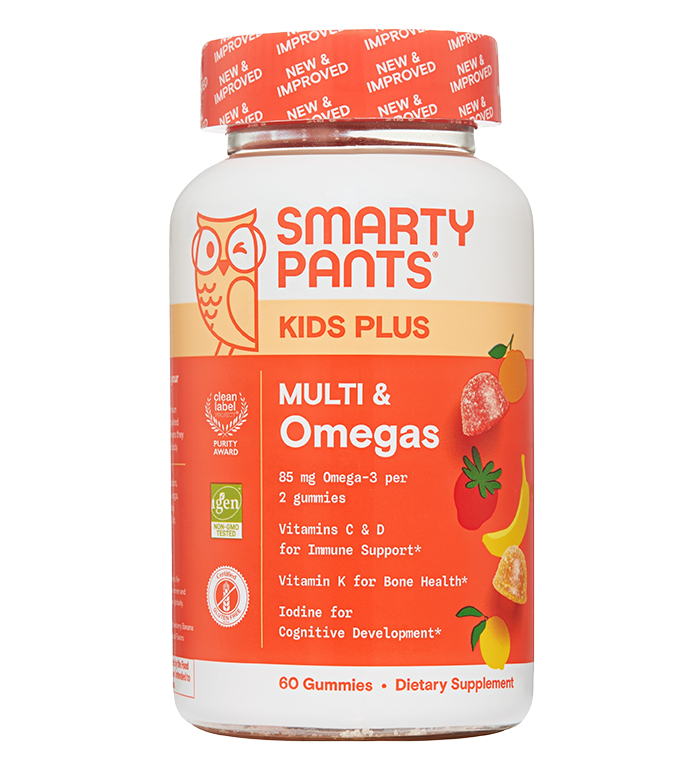
SmartyPants Vitamins* Kids Plus Multi & Omegas
- Ages 4–13: 2 gummies
Kids’ Chewables, Tablets, Capsules, and Powders
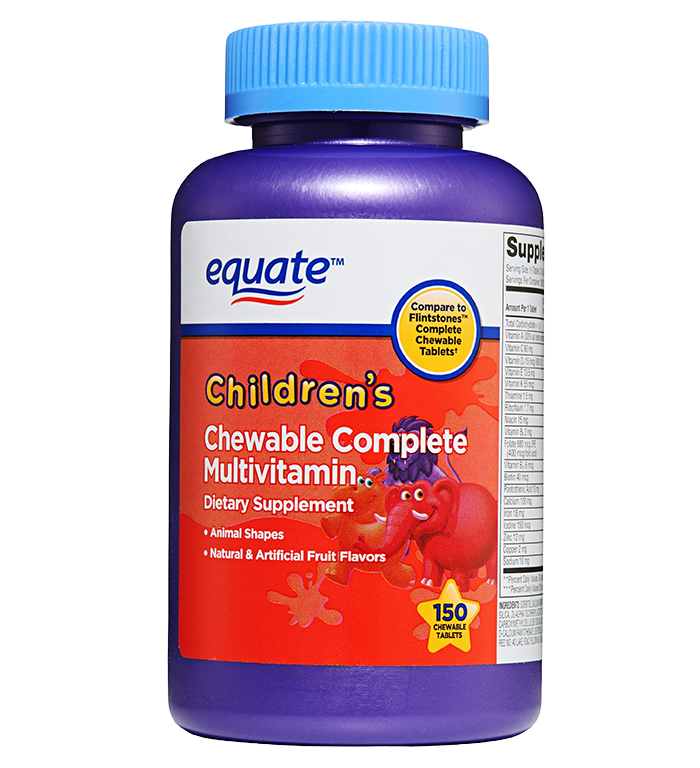
Equate (Walmart) Children's Chewable Complete Multivitamin
- Ages 2–3: 0.5 tablet
- Ages 4–13: 1 tablet
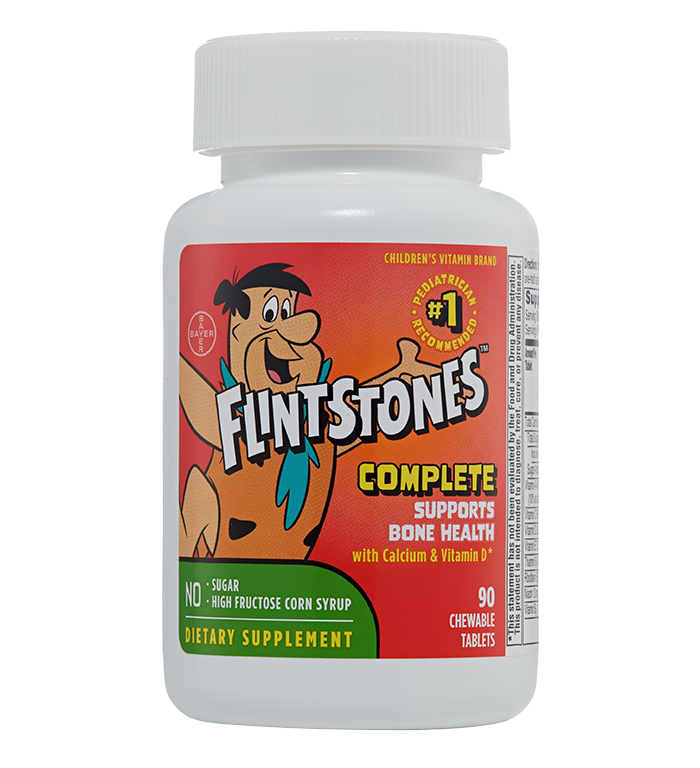
Flintstones Complete Chewables Multivitamin
- Ages 2–3: 0.5 tablet
- Ages 4–13: 1 tablet
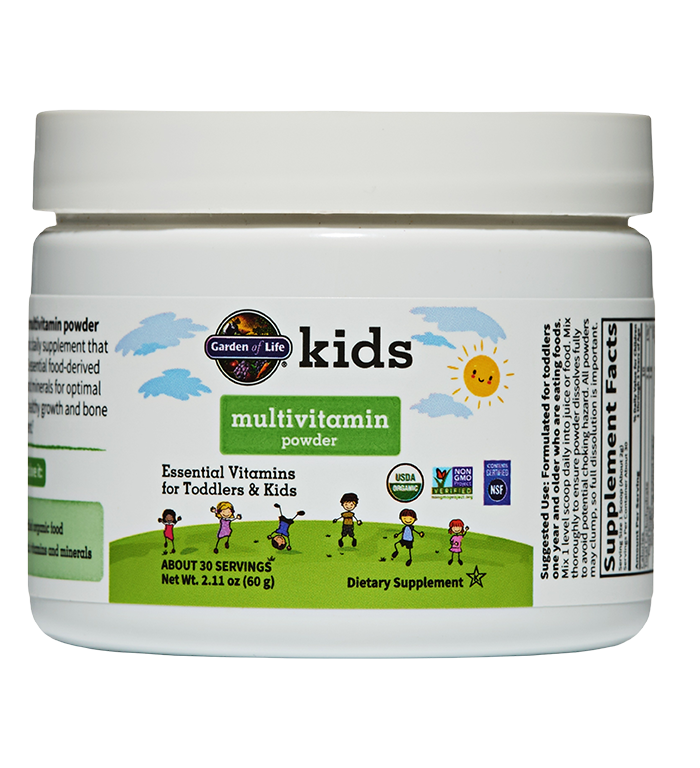
Garden of Life* Kids Multivitamin Powder
- Ages 2–3: 1 scoop (2 grams)
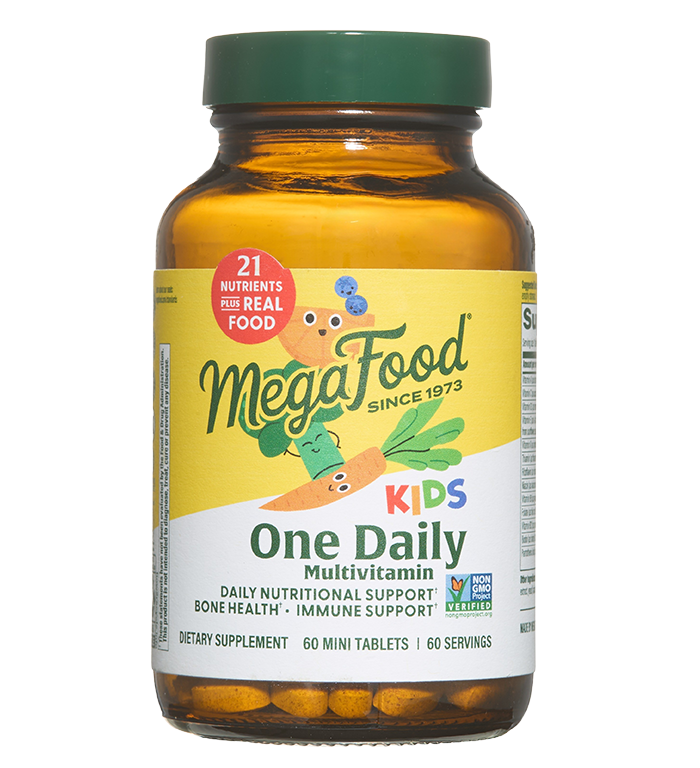
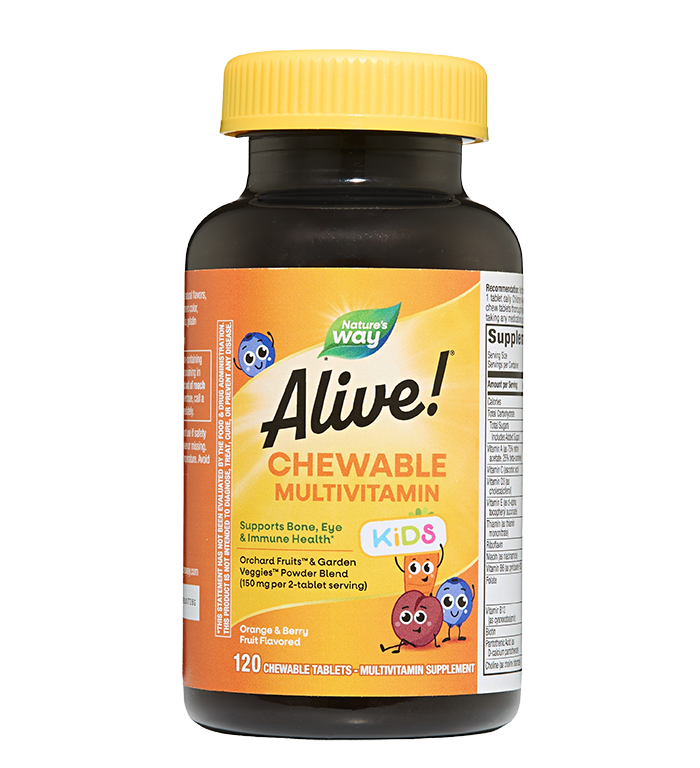
Nature's Way Alive Kids Chewable Multivitamin
- Ages 2–3: 1 tablet
- Ages 4–13: 2 tablets
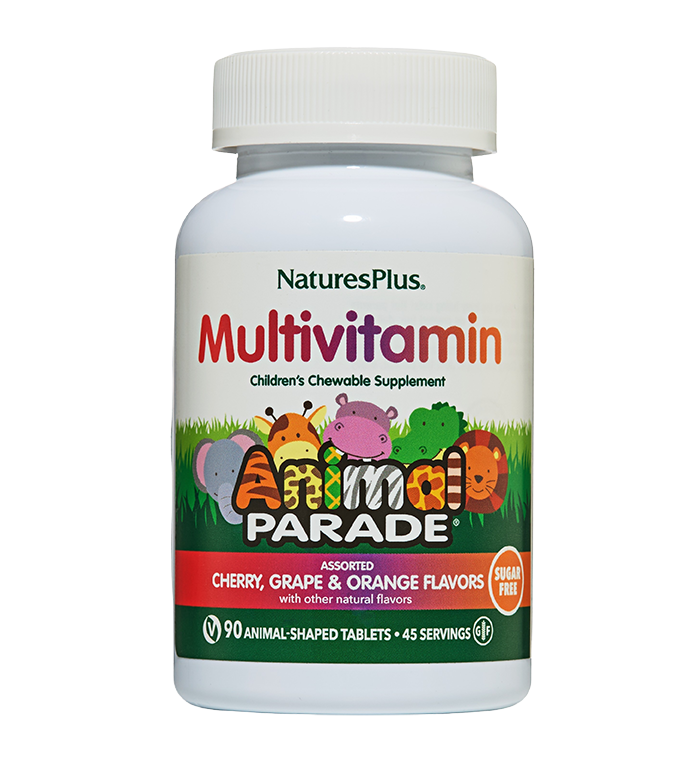
NaturesPlus Animal Parade Multivitamin Sugar Free
- Ages 2–3: 2 tablets
- Ages 4–13: 2 tablets
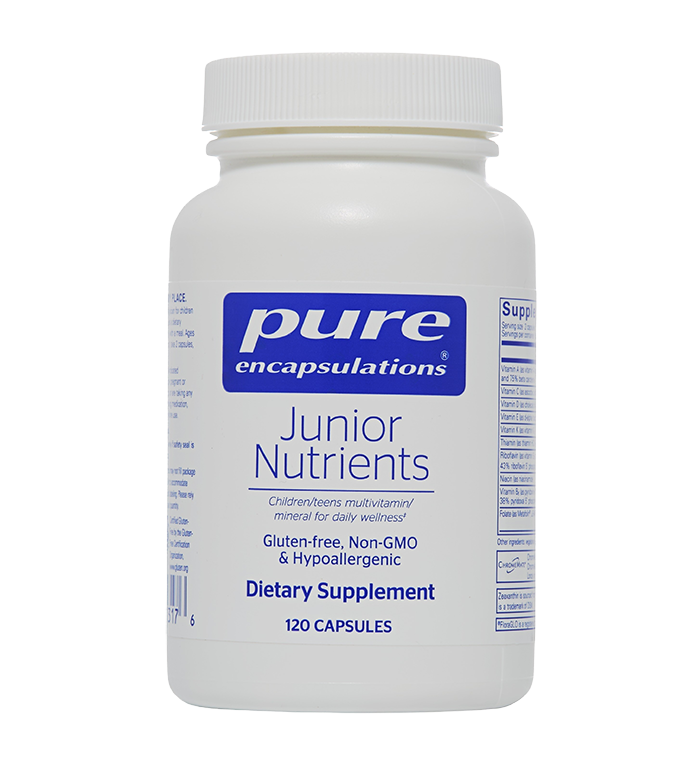
Pure Encapsulations Junior Nutrients
- Ages 4–13: 2 capsules
- Ages 14+: 4 capsules
What Our Testing Found
Inconsistent Nutrient Labeling
Inaccuracies across the board: In CR’s tests of kids’ vitamins, 100 percent of the 21 products we tested had at least one nutrient outside the range we used for label accuracy.
Of the 206 nutrients analyzed across all 21 products, 88 tested nutrients were outside the thresholds we used, or 43 percent.
We saw more variation in some nutrients than others. Across the 12 nutrients we tested for, 85 percent of products with vitamin B1 (thiamine) were out of range. Sixty percent of the products with vitamin A were out of range, along with 50 percent of those with iodine and 48 percent of those with vitamin B9 (folate).
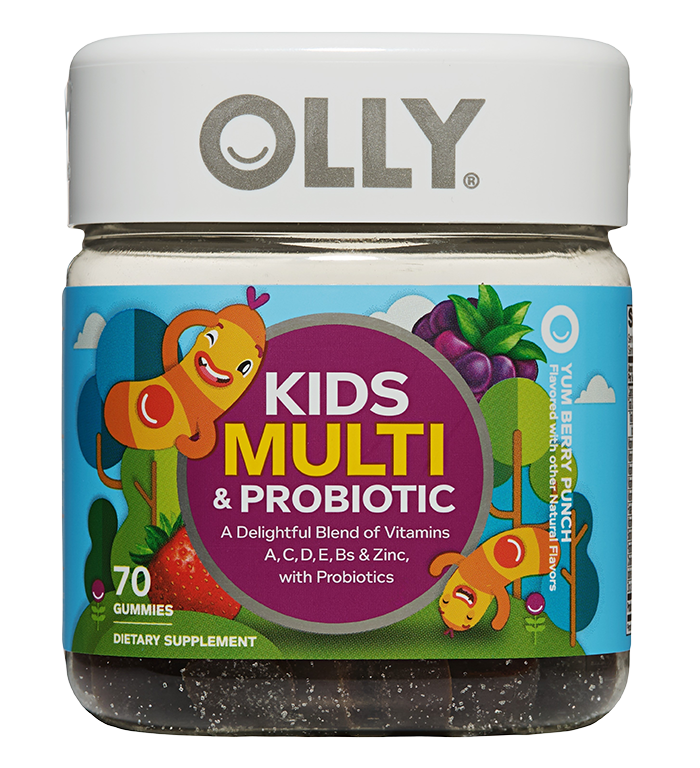
Third-party certified products performed better: Independent third-party testing organizations (such as U.S. Pharmacopeia or NSF International) can help verify whether a product contains what it says it does—which is why experts recommend looking for vitamins with third-party certification symbols on the label. Two products that tested well for label accuracy, Nature Made Kids First Multi + Omega-3 Gummies and Olly Kids Multi + Probiotic, both have third-party certification. These products each had just one nutrient out of range.
While third-party certification can be a helpful symbol of a product’s quality, not all official-looking “seals” on a product label carry equal weight. Some product packaging may include symbols that look similar to a third-party certification seal but only serve to highlight certain ingredients, claims, or attributes, such as the number of nutrients or the fact that it’s vegan. Be skeptical of marketing claims disguised as certifications, like “picky-eater approved” or “clean ingredients,” which aren’t standard FDA-defined terms.
Higher accuracy in gummies: In general, we saw higher label accuracy in gummy vitamins designed for children than in the chewables and tablets in our tests. Gummy vitamins were more likely to have nutrient levels within or above the acceptable range rather than below it.
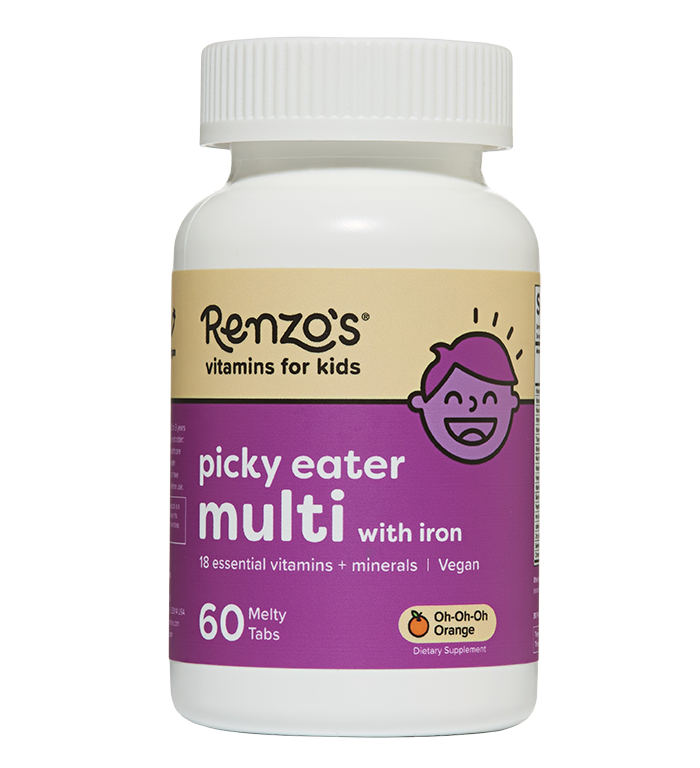
By contrast, of the nine chewables, tablets, capsules, and powders we analyzed, every product tested had at least one nutrient below the threshold. In three products in this category, the majority of nutrients fell below the USP threshold: Flintstones Complete Chewable, Renzo’s Picky Eater Kids Multi with Iron, and Walmart’s Equate Kids Chewable Complete Multivitamin. Each of these products had 11 of the 12 nutrients we tested for outside the USP tolerance range.
Widespread variation in nutrients with and without established USP thresholds: Across all the vitamins and minerals in our tests, we saw sweeping variations in potency. The maximum USP tolerance for vitamin C in gummies is 250 percent, but we found some products containing just 50 percent of the labeled amount, while others had 531 percent. There’s no USP potency range for vitamin B5 in gummy formulas (what USP terms “chewable gels”), and we saw gummy formulas containing anywhere from 64 percent to 564 percent of the labeled amount of that nutrient. It’s important to note that USP standards for dietary supplements are voluntary unless the product is USP-certified.
Several Nutrients Above Tolerable Upper Intake Limits
Conservative safety thresholds known as tolerable upper intake limits (UL) are used to define safe levels of nutrients for different age groups. Above these limits, there’s a higher risk of harmful health effects. “Staying at or below the UL is the safest place to be,” says Jill Castle, MS, RDN, a pediatric dietitian and author of the book “Kids Thrive at Every Size” (Workman, 2024).
Across our tests, we found that 2 of the 21 products in our tests (10 percent) had at least one nutrient at a level high enough to exceed the UL. The nutrients in excess of the UL in our tests were niacin (vitamin B3), folate/folic acid (vitamin B9), and zinc.
An excess of certain nutrients, such as fat-soluble vitamins (including vitamins D, E, K, and some forms of vitamin A) or minerals (such as zinc), poses the greatest potential health risk, because these nutrients can accumulate in the body. High amounts of water-soluble vitamins, including vitamin C and the B vitamins, are less concerning because they are flushed out of the body, but excess intake can still cause stomach upset, cramping, or other issues. High levels of niacin (vitamin B3) can cause facial redness or flushing, plus headache or dizziness. High mineral levels can also reduce the absorption of other nutrients.
The ULs are designed to represent an intake from all sources, including food, water, and supplements. Because many foods kids eat are already fortified with vitamins and minerals, parents need to be mindful of “the totality of nutrient consumption,” Castle says.
If you’re concerned about whether your child may be getting too much of a certain nutrient, consider keeping a food diary for a few days with everything your child consumes, then share it with your child’s pediatrician to discuss any overages or gaps, says Leslie Treece, MD, FAAP, a pediatrician practicing in Cookeville, Tenn.
Heavy Metals Detected, but Only Trace Amounts
CR’s experts have developed protective safety limits based on scientifically established benchmarks for arsenic and the heavy metals lead, cadmium, and mercury, taking into account kids’ body weight and the product serving sizes. The good news: The kids’ vitamins in our tests were all well below these limits for a child consuming one serving a day.
However, while the detected amounts of these toxic elements were very low, they were not zero—we still detected trace amounts of lead in every supplement tested, and we found low levels of arsenic and cadmium in 76 percent of products (16 of 21) and mercury in 38 percent (8 of 21). Young children are especially vulnerable to the harmful effects of heavy metals, and reducing their exposure to them as much as possible is important. Some kids may also be exposed to lead paint in their homes or through their plumbing, as well as in the foods they eat. These exposures can be cumulative.
It’s virtually impossible to avoid all exposure to heavy metals, says Casares. “We can’t wrap our children in a bubble. However, it’s very important to limit exposure to those variables that we can control, and especially to exposures that have high levels of heavy metals,” she says.

Photo: Scott Meadows/Consumer Reports Photo: Scott Meadows/Consumer Reports
Does Your Child Even Need a Multivitamin?
Vitamins are often marketed to parents of young children as a way to fill nutritional gaps, but unlike prenatal vitamins, kids’ vitamins aren’t considered essential for healthy growth and development in most cases. The American Academy of Pediatrics does not recommend vitamin supplementation for children who are receiving a “normal, well-balanced diet” and otherwise meet daily vitamin D recommendations, which are based on age.
“The vast majority of kids do not need vitamins or supplements to be healthy,” says Casares. “There are certain circumstances in which we do recommend vitamins for kids, but on the whole, eating a healthy, varied diet is the thing to focus on,” she says.
A few examples of when a dietary supplement can be helpful for kids and teens:
- If they have a very limited diet or follow a restricted eating pattern, such as a vegan diet, which means they may not get enough nutrients from food
- If they have multiple food allergies
- If they’re diagnosed with a nutritional deficiency
- If they have a medical condition that increases their risk of a nutritional deficiency
- If they live with food insecurity
Lots of kids can be picky eaters, especially when young, but being a selective eater “doesn’t automatically mean your child has a deficiency,” says Dani Lebovitz, MS, RDN, a pediatric dietitian and author of the book “Food Positivity: How to Ditch Diet Culture and Talk to Kids About Food” (Jossey-Bass, 2026). In some cases, the small rotation of foods they eat does a lot of nutritional work, she says, especially because many foods that kids gravitate toward, like cereal, bread, and crackers, are fortified with nutrients such as B vitamins and iron. If you’re concerned about potential nutritional deficiencies, talk to your pediatrician.
Generally speaking, children in the U.S. tend to fall short on calcium, vitamin D, potassium, and fiber, and some toddlers and teens require more iron, especially girls, says Castle. She also says that omega-3 fat intake is low among children worldwide. But a dietary supplement may not be the first-line option for boosting intake.
Ironically, many multivitamins under-supply these shortfall nutrients and over-supply the nutrients that are fortified in our food system.
Pediatric dietitian and author
If your child is taking a vitamin supplement to help meet a diagnosed nutritional deficiency, it’s reasonable to expect that the product they’re taking provides the labeled amount of the nutrient they need, not drastically more or less. “As consumers, we have little insight into label accuracy, another factor that prompted CR’s tests,” says Boring.
“If the dosage levels are inaccurate, it can create a real gap for the child that could impact their health over time," says Castle. “Parenting is hard, and it’s harder when families are navigating nutrition concerns. Parents deserve brands [that] deliver on their claims and content with accuracy and transparency.”
How to Choose a Safe Kids’ Vitamin
The experts we spoke to encourage thinking of children’s vitamins as short-term support. “They cannot replace the nutrient matrix food offers,” says Castle. But they can help bridge the gap while you help your child learn to accept more foods and build a nutrient-rich diet, she says.
Be sure to check with your child’s pediatrician before starting any new supplement. Also make sure that you’re choosing a supplement from a reputable manufacturer, says Ventura of CRN.
Kids' Vitamin Report Card
What grade does your child’s supplement get? Use this tool to help evaluate kids’ vitamins based on CR’s experts’ advice.
What Our Findings Mean for Your Family
When you’re offering a multivitamin to your child to help fill a nutrient gap, it’s important that you’re able to trust that the product actually contains what it says it does. The lack of label accuracy in kids’ vitamins found in CR’s tests emphasizes the need for greater transparency and oversight.
“What’s scary to me is that parents actually will trust a supplement or a vitamin even more than what is prescribed to them from a pediatrician,” says Casares. “There’s a misconception that all vitamins are totally fine; it’s no big deal. But actually we do know that toxicity of certain vitamins can cause real health problems.” She stresses the importance of third-party testing and certification, and making sure that manufacturers are following the recommended Daily Value guidelines for children so that the ingredients in their products “match what kids really need.”
Child Nutrition Tips
Every expert we spoke with encouraged a food-first approach to your child’s nutrition and avoiding overreliance on a kids’ multivitamin. Here’s some of their best advice:
Follow your child’s lead. Start with what your child will eat, then build in more nutritious versions: Try mixing a sugary cereal with a non- or low-sugar choice in a 50:50 blend, Castle suggests.
Make food fun. Let your little one play with their food in the name of sensory exploration, says Treece. Some slightly less messy ideas: Make food towers, group foods by color, or arrange foods in shapes on the plate.
Take the pressure off mealtimes. “Offer new foods next to familiar ones, in small amounts, and without pressure. Repeated and relaxed exposure to new foods works,” says Castle.
Rethink snacks. “Let snacks share the work,” Lebovitz says. Add fruits and vegetables outside of mealtime, such as topping their favorite yogurt with blueberries or concocting a new green smoothie together. “Dinner doesn’t have to cover everything,” she says.
Find new ways to explore food together. Take kids to the farmer’s market so that they can see a variety of new-to-them foods, even if they don’t taste them. Start a windowsill herb garden with your child, and invite them into the kitchen for food prep, suggests Casares. “These are all ways that you can help your child be a less selective eater over time without putting on extra pressure.”
For more tailored guidance, talk to your child’s pediatrician or seek out a pediatric nutritionist for more ideas.
Companies Respond
We shared our test results with the manufacturers of the 21 kids’ vitamins in our tests and asked them for more information on how they test for heavy metal contaminants and whether they verify the nutrient levels in their products. We also asked whether they intentionally add nutrients beyond the labeled amount to last through the product’s shelf life, an industry practice known as “overages.” We heard back from most of the companies.
Safety and Quality
Many companies told CR that they take rigorous steps to ensure the safety and quality of their products, especially those intended for children. As one example: “Hiya is committed to producing high-quality children’s vitamins that parents can trust,” said a company spokesperson. Renzo’s and First Day also shared their commitment to quality and transparency.
A spokesperson for Nature’s Way told CR that its testing programs are “risk-based and product-specific,” stating that the company maintains a comprehensive quality assurance program designed to ensure the identity, safety, purity, and potency of its products.
When asked about their testing processes, four companies (Hiya, MaryRuth’s, Nestlé, and Olly) shared that they use external labs to verify the quality and safety of their products. Three additional companies (Nature’s Way, Piping Rock, and Renzo’s) shared that they have invested in internal testing, and two companies (Nature Made and SmartyPants) shared that they do both. Not all companies specifically commented on their testing, and some did not respond to our questions about testing.
“At SmartyPants Vitamins, we rely on rigorous testing and internal and external guidelines to support the safety and quality of our products. Every lot is tested at our qualified, ISO-certified lab for safety, quality, and dietary ingredient levels using methods validated for a gummy matrix,” said a spokesperson for SmartyPants. The spokesperson also said that both products in CR’s tests are certified by NSF, “with annual independent NSF testing for potency and contaminants, including heavy metals, as part of maintaining certification.”
A customer service representative for Nature Made (owned by Pharmavite, which also makes MegaFood) told CR: “Nature Made has been in business for 50 years, and we are known for the quality and efficacy of our products. Our Quality Control team performs rigorous testing on all raw materials and the finished product to ensure our products are made to the highest standards, including verification by USP (U.S. Pharmacopeia), an independent verification for potency and purity.”
Several kids’ vitamins in CR’s tests hold third-party certifications such as NSF or USP verification. We contacted the Council for Responsible Nutrition, a trade association that represents several supplement makers included in our tests, to ask whether certification is something they recommend.
“CRN encourages companies to take advantage of the third-party verification programs that exist for dietary supplements,” said spokesperson Jeff Ventura. “These programs provide an added, independent verification of the high quality of the products.” However, the absence of a third-party seal is not an indication of poor quality, Ventura says. “Many reputable supplement brands employ their own internal sophisticated testing and auditing systems to assure their consumers of high-quality products.”
Heavy Metals
No children’s vitamins in CR’s tests exceeded our scientists’ health-based level of concern for heavy metals, though we did detect trace amounts in the majority of products. Several companies told CR that they compare their finished products with California’s Proposition 65 thresholds—the most protective benchmarks in the U.S.
“MaryRuth’s works closely with its manufacturers to maintain strict controls over ingredient sourcing, formulation, and finished-product testing, including formulating vitamins and minerals to remain below applicable NIH ULs and to ensure that heavy metals, if present, are below California Proposition 65 safe harbor levels,” said a spokesperson for MaryRuth’s.
Olly told CR that the company uses “California Proposition 65 limits to establish our finished-product specifications and test products during development, before launch and through ongoing quality monitoring. All results provided by Consumer Reports fall within Olly’s established specifications.”
“SmartyPants tests every finished-product lot for heavy metals and establish release specifications using applicable California Proposition 65 limits,” a spokesperson said, noting that they test both raw materials and finished products.
A spokesperson for Costco, which makes Kirkland Signature supplements, told CR that the product in CR’s tests is evaluated for heavy metals before being sold. “We reviewed the heavy-metal levels reported by Consumer Reports in the context of the product and available safety benchmarks and we reviewed our internal testing results and documentation and did not identify a product safety concern. Specific internal limits are not publicly disclosed,” the spokesperson said.
Nutrient Overages
Numerous companies told CR that they intentionally add higher amounts of certain nutrients to ensure they’ll remain present throughout the product’s shelf life.
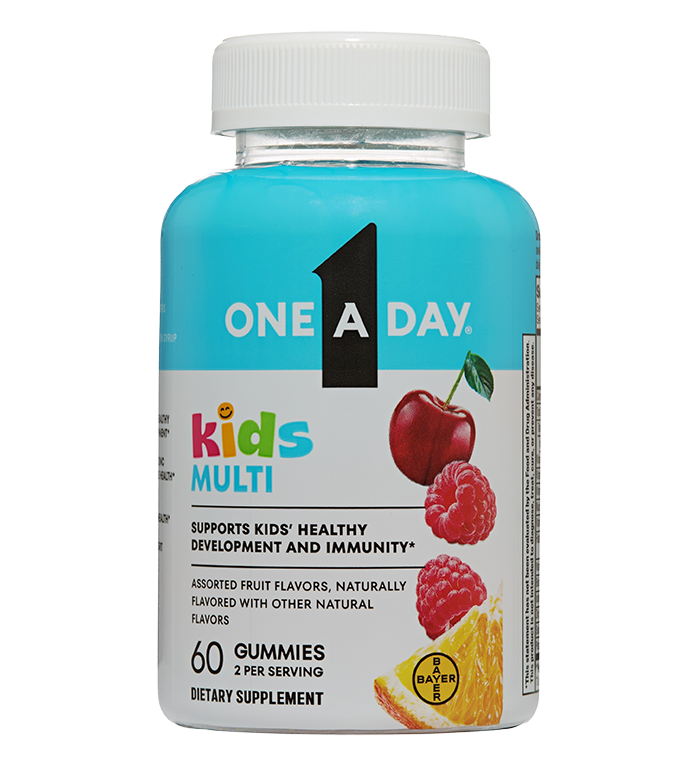
USP tolerance thresholds account for some overages in gummy formats and in capsules, tablets, and powders, reflecting this common industry practice. Vitamin C overages in gummies, for example, can go up to 250 percent of the labeled amount. We found that One A Day’s Kids Multi Gummies had vitamin C levels at 531 percent of the labeled amount. Vitamin B9 levels in this product were at 504 percent of the labeled amount, when the USP range caps at 245 percent.
A spokesperson for Bayer, which makes One A Day and Flintstones supplements, told CR: “Bayer stands behind the quality and safety of its One A Day and Flintstones Vitamins products. We intentionally formulate certain nutrients above the labeled amount to help ensure they maintain appropriate levels throughout the product’s shelf life, consistent with industry practice. Our extensive evidence-based testing shows that nutrients remain within the established safe range of what is stated on the label.” In CR’s tests of samples across three different lots, Flintstones had the majority of nutrients tested below the USP tolerance range of 90 percent. “Product quality is a top priority for Bayer. We can confirm this batch tested by CR met industry, regulatory and safety requirements at time of release. We believe the CR test result is an outlier, and we cannot determine a specific reason for the discrepancy of their findings without further investigation,” the Bayer spokesperson said.
In CR’s tests, Centrum Kids MultiGummies had three nutrients above the USP tolerance range, as well as vitamin B5 levels that were 564 percent of the labeled amount, though a USP range does not exist for gummy formulations with B5.
A spokesperson for Haleon, which makes Centrum, said: “We stand behind the quality and safety of all our products, including Centrum Kids MultiGummies, which are backed by rigorous testing before and after products reach store shelves. We conduct batch testing to help confirm the quality and safety of our products, as well as ongoing testing of select batches throughout the product’s shelf life to monitor quality, safety, and nutrient levels.”
Different Testing Methods
A few companies questioned CR’s findings or told CR that their internal testing, whether for the same lots of products as in CR’s tests or more broadly, didn’t match CR’s results.
Amazon (whose in-house brand is Mama Bear) stated that its finished products undergo rigorous quality control testing to ensure they meet the labeled potency specifications throughout their shelf life and challenged CR’s methodology and results, saying the findings “do not accurately reflect this product’s composition."
A spokesperson for Nestlé Health Science, which makes Garden of Life and Pure Encapsulations, told CR: "Our technical assessment noted differences between the analytical methods reported by Consumer Reports and those used by the qualified third-party laboratories supporting our testing programs. These methodological considerations should be taken into account when evaluating and comparing the reported results.” The spokesperson said that, based on the company’s experience testing this product category, historical testing data, and its established testing program, they “remain confident in the quality, safety, and nutritional profile” of the products in CR’s tests.
Piping Rock (which makes Li’l Critters and Nature’s Truth) told CR that its internal testing of Li’l Critters confirmed that the nutrient levels of the products in the same lots CR evaluated “met specification at the expected levels at the time of release of the product.”
Renzo’s, which is produced by Solara Labs, shared that its internal testing uses a different method for testing its melting tablets: “Our Renzo’s Multivitamin with Iron is formulated in a specialized orally dissolving dietary supplement matrix tablet which may present unique analytical challenges related to extraction efficiency and analyte recovery,” a spokesperson said, noting also that analytical results for vitamins and minerals may vary between laboratories.
SmartyPants also shared that it uses a different methodology for testing certain nutrients in its gummy formulas, notably vitamin A, which, in CR’s tests, had one lot that landed below the USP tolerance threshold of 90 percent. “Our testing uses a USP-based method designed to account for the specific form of vitamin A used in our formulation,” the spokesperson said.
CR’s scientists remain confident that the testing methods used are appropriate for the different supplement formulations in our tests.
Our analysis found that two products, including those from Equate (Walmart) and NaturesPlus, had some nutrient levels that landed above the tolerable upper intake limit for some age groups, even though the vitamins were intended for children of those ages.
A spokesperson for Walmart told CR: “We are committed to providing safe, high-quality products, and work continuously with our suppliers to review and help ensure standards are met.”
We did not receive a response from Natural Organics, the maker of NaturesPlus supplements.
Though we received a customer service response from Nature Made, we didn’t hear back from parent company Pharmavite, which also makes MegaFood supplements, despite repeated requests for comment.
Ventura, the spokesperson for CRN, acknowledged that testing nutrient levels in finished dietary supplement products is complex.
“The accuracy and reliability of analytical results can be influenced by numerous factors, including the product’s formulation, ingredient interactions, nutrient forms, and the presence of other components that may interfere with testing ... While manufacturers are responsible for ensuring their products meet applicable quality standards, it is important that conclusions about nutrient content are based on scientifically appropriate testing methods that account for these complexities,” Ventura said.
“CR understands that product formulations can be complex and provide potential interferences. That’s why CR mitigates these issues with quality control tests, such as matrix spikes, and by using ISO-accredited laboratories and validated methods. We also test multiple lots to see if we get consistent results,” says Boring, who led CR’s analysis.


